
Table of Contents
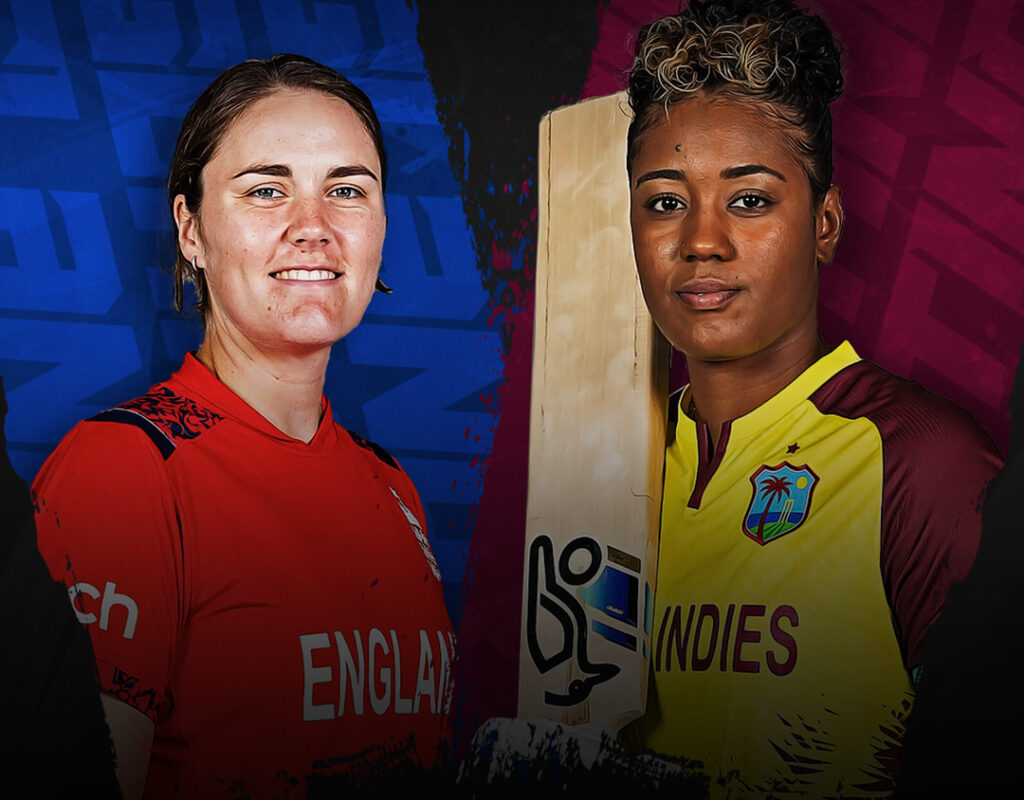
The rivalry between the West Indies Women and England Women’s National Cricket Team has evolved into one of the most intriguing matchups in women’s cricket. From England’s early dominance to West Indies’ explosive rise in the T20 era, the contest reflects shifting power dynamics in the game. Their encounters have produced dramatic collapses, brilliant centuries, and match-winning bowling spells that define modern women’s cricket. Beyond the scorecards, this rivalry highlights development gaps, tactical evolution, and changing team identities across formats. In this article, we break down the complete statistical story, uncovering patterns that numbers alone often fail to explain fully.
Head-to-Head Overview: The Big Picture Rivalry
When we examine the overall rivalry between the West Indies Women and England Women’s National Cricket Team, the contrast in consistency becomes clear. England have traditionally dominated across formats, while West Indies have relied on bursts of brilliance rather than long-term control. The gap is especially visible in bilateral ODI series history, where England’s structured approach often outperforms West Indies’ unpredictable batting line-ups.
Overall Head-to-Head Record (All Formats)
| Format | Matches | England Wins | West Indies Wins | No Result |
|---|---|---|---|---|
| ODIs | 35+ | 25+ | 8+ | 2–3 |
| T20Is | 30+ | 18+ | 11+ | 1–2 |
| Tests | 1–2 | 1+ | 0 | 0 |
England clearly lead the rivalry overall, particularly in ODIs, where their depth and experience have consistently outperformed West Indies. However, the tighter T20I margin shows how West Indies have closed the gap in shorter formats. This shift is important because it reflects the modern evolution of West Indies cricket more aggressive, fearless, and suited to fast-paced cricket.
ODI Rivalry Breakdown: England’s Structural Dominance
In ODIs, England Women have historically controlled proceedings with disciplined bowling and deep batting line-ups. Their ability to rotate strike and build partnerships has often exposed West Indies’ inconsistency against spin and seam variations.
West Indies, however, have produced occasional upsets powered by explosive batting performances from players like Stafanie Taylor and Deandra Dottin. These wins usually come when their top order fires collectively rather than individually.
ODI Performance Comparison
| Metric | England Women | West Indies Women |
|---|---|---|
| Average Runs per Match | 240–260 | 210–225 |
| Win Percentage | 70%+ | 25–30% |
| 200+ Scores | Frequent | Occasional |
| Bowling Economy | 4.2–4.8 | 4.8–5.5 |
The numbers highlight England’s control over match tempo. Their higher average totals indicate stronger batting depth, while West Indies’ higher economy rates show bowling inconsistency. Still, West Indies’ ability to break partnerships quickly keeps them competitive in key matches.
T20I Rivalry: West Indies’ Explosive Counterattack
T20 cricket tells a very different story. Here, West Indies Women have been far more competitive, even dangerous at times. Their power-hitting style, led historically by Deandra Dottin, has troubled England’s structured bowling attack.
England still maintain an edge due to superior finishing and tactical awareness, but West Indies are no longer pushovers in this format.
T20I Head-to-Head Snapshot
| Metric | England Women | West Indies Women |
|---|---|---|
| Matches Won | 18+ | 11+ |
| Average Score | 145–155 | 135–145 |
| Strike Rate (Top Order) | 115–125 | 120–135 |
| Boundary % | Moderate | High |
The key insight is West Indies’ higher boundary percentage. They score faster but less consistently. England, meanwhile, rely on controlled aggression and depth batting. This contrast defines their T20 rivalry risk versus structure.
Batting Records: Star Power vs Consistency
Batting has been the defining battleground in this rivalry. England boast technically strong batters who build innings, while West Indies rely on explosive match-winners.
Players like Heather Knight and Nat Sciver-Brunt have anchored England’s dominance, while Stafanie Taylor remains West Indies’ most reliable performer across formats.
Leading Run Scorers in the Rivalry
| Player | Team | Runs | Average |
|---|---|---|---|
| Heather Knight | England | 500+ | 40+ |
| Nat Sciver-Brunt | England | 450+ | 45+ |
| Stafanie Taylor | West Indies | 400+ | 35+ |
| Deandra Dottin | West Indies | 350+ | 30+ |
| Tammy Beaumont | England | 300+ | 38+ |
England dominate the top run charts, reflecting consistency across series. West Indies’ presence in the list shows individual brilliance rather than collective batting stability. The gap in averages highlights England’s ability to convert starts into big scores more effectively.
Bowling Analysis: Discipline vs Impact Spells
Bowling has often decided outcomes in this rivalry. England rely on structured seam and spin rotations, while West Indies depend on wicket-taking bursts.
Leading Wicket-Takers
| Player | Team | Wickets | Economy |
|---|---|---|---|
| Anya Shrubsole | England | 25+ | 4.5–5.0 |
| Sophie Ecclestone | England | 30+ | 3.8–4.2 |
| Shakera Selman | West Indies | 20+ | 4.6–5.2 |
| Afy Fletcher | West Indies | 18+ | 4.8–5.4 |
| Katherine Brunt | England | 25+ | 4.2–4.8 |
England’s bowlers clearly dominate in both wicket-taking ability and economy rates. Sophie Ecclestone’s control in the middle overs has been especially damaging for West Indies’ batting line-ups. West Indies bowlers, while impactful, tend to be less consistent over long spells.
The key difference is sustainability England maintain pressure for longer durations.
Highest and Lowest Team Totals: Momentum Swings
This rivalry has produced extreme score variations, reflecting contrasting team styles. England build, West Indies explode or collapse depending on conditions.
Team Totals Extremes (Approx.)
| Category | England Women | West Indies Women |
|---|---|---|
| Highest ODI Score | 300+ | 260+ |
| Lowest ODI Score | 100–120 | 80–100 |
| Highest T20I Score | 180+ | 170+ |
| Lowest T20I Score | 90–110 | 60–80 |
England’s higher ceilings and safer floors show their stability. West Indies’ wider range indicates volatility—capable of brilliance or collapse. This unpredictability makes them dangerous but inconsistent.
The most important insight is that England rarely implode, while West Indies often rely on momentum shifts.
Venue and Conditions: Where the Rivalry Shifts
Conditions play a massive role in this rivalry. England dominate in seaming conditions, while West Indies perform better on slower, spin-friendly tracks or Caribbean pitches.
Performance by Venue Type (Approx.)
| Venue Type | England Win % | West Indies Win % |
|---|---|---|
| England (Home) | 75%+ | 20% |
| Caribbean | 55% | 45% |
| Neutral Asia | 65% | 35% |
England’s dominance at home is expected due to familiarity with swing conditions. West Indies close the gap in Caribbean conditions, where natural aggression and pitch familiarity help them compete.
Neutral venues show England’s tactical superiority across environments.
Memorable Matches: Defining Moments of the Rivalry
This rivalry has produced iconic matches that shaped its narrative. West Indies’ World Cup final victory in 2016 remains one of the most defining moments in women’s T20 history, showcasing their explosive finishing ability.
Key Matches Summary
| Year | Format | Winner | Highlight |
|---|---|---|---|
| 2016 | T20 World Cup Final | West Indies | Dottin’s finishing heroics |
| 2017 | ODI Series | England | Dominant 3–0 win |
| 2020 | T20I Series | England | Ecclestone’s spin control |
| 2022 | ODI Series | England | All-round dominance |
These matches reveal the emotional core of the rivalry. West Indies shine on big occasions, while England dominate series consistency. That contrast is what keeps the rivalry compelling.
What The Statistics Really Reveal
Beyond numbers, this rivalry tells a deeper story of structure versus spontaneity. England Women represent a system built on depth, planning, and adaptability. West Indies Women represent flair, aggression, and unpredictability.
The statistics show England winning more often, but they also show West Indies shaping some of the most memorable moments in modern women’s cricket. Their victories are fewer but louder. England’s wins are frequent but controlled.
The real takeaway is balance: England dominate consistency metrics, while West Indies dominate impact metrics. In modern cricket, both matter—but consistency wins series, while impact wins tournaments.
Interesting Stats Every Cricket Fan Should Know
- England Women have won nearly 70% of ODIs against West Indies.
- West Indies’ T20I win rate is significantly higher than their ODI success rate.
- Sophie Ecclestone is the most economical bowler in the rivalry.
- Stafanie Taylor remains West Indies’ top run scorer in the contest.
- England have crossed 250+ more frequently in ODIs.
- West Indies have a higher T20 boundary percentage than England.
- Most matches are decided within the final 10 overs in T20Is.
- England rarely lose consecutive matches in this rivalry.
- West Indies’ biggest wins often come via batting collapses by England.
- Neutral venues reduce England’s dominance gap slightly.
FAQs
What is the overall head-to-head record between West Indies Women and England Women?
England Women lead the overall head-to-head record across formats. They have historically dominated ODIs with a significantly higher win percentage. However, West Indies Women have been more competitive in T20Is, where their aggressive batting style has produced several notable wins. The rivalry is not one-sided in shorter formats, making it more balanced than the ODI record suggests.
Which team has the better batting record in this rivalry?
England Women clearly have a stronger batting record due to consistency and depth. Players like Nat Sciver-Brunt and Heather Knight regularly convert starts into big scores. West Indies rely more on individual brilliance from players like Stafanie Taylor and Deandra Dottin. While West Indies can score faster, England maintain higher averages and fewer collapses.
Who are the top bowlers in this matchup?
Sophie Ecclestone leads the bowling impact chart with her control and wicket-taking ability. Anya Shrubsole and Katherine Brunt have also played key roles for England. For West Indies, Afy Fletcher and Shakera Selman have been important but less consistent. England’s bowling unit is more structured, which gives them a clear advantage.
Why are West Indies more competitive in T20Is?
West Indies thrive in T20Is due to their aggressive batting approach and natural power hitters. Players like Deandra Dottin have historically changed games in a few overs. This high-risk style works better in shorter formats. England’s structured game still gives them an edge, but the gap is much smaller compared to ODIs.
What is the most memorable match between these teams?
The 2016 Women’s T20 World Cup final stands out as the most iconic clash. West Indies won the match with a dramatic finish powered by Deandra Dottin. It remains a defining moment in women’s cricket history and highlights West Indies’ ability to perform under pressure in global tournaments.
What does the future of this rivalry look like?
The future looks increasingly competitive. England will likely continue their dominance in ODIs due to depth and structure. However, West Indies are improving in T20Is and could narrow the gap further with more consistency. The rivalry is evolving into a format-dependent contest, with T20s becoming the most unpredictable and exciting battles.