
Table of Contents
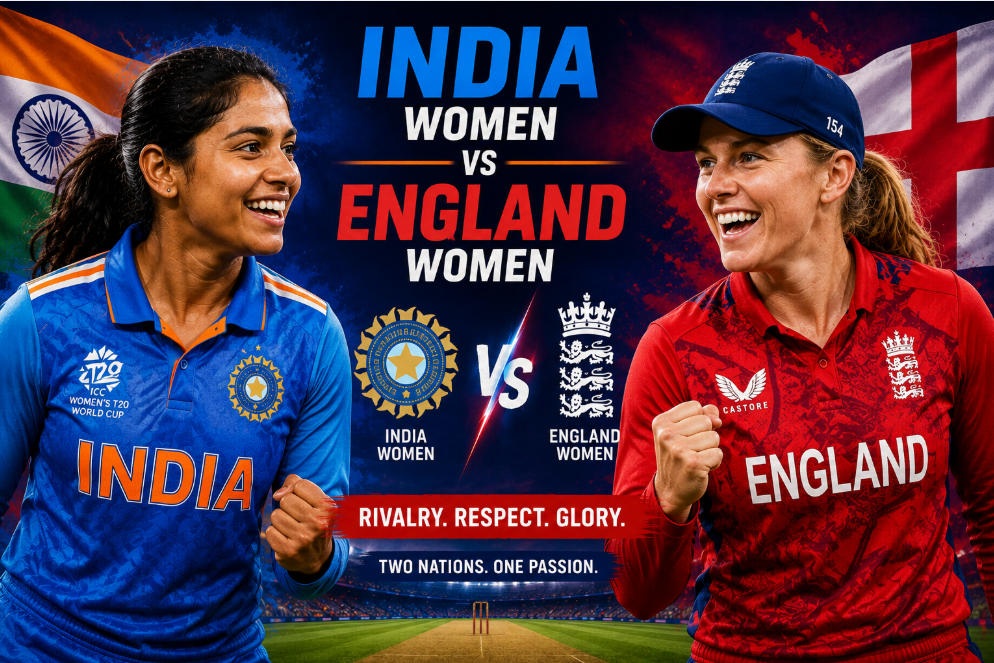
The rivalry between the India Women’s cricket team and the England Women’s cricket team has evolved into one of the most compelling contests in international women’s cricket. While England entered the modern era of women’s cricket as one of the sport’s traditional powerhouses, India gradually emerged as a formidable force capable of challenging the world’s best across formats. Their meetings have produced memorable matches, record-breaking performances, and fascinating statistical trends that reflect the growth of women’s cricket itself. Looking beyond simple wins and losses, the numbers reveal how both teams have developed distinct identities, with England often relying on depth and consistency while India has frequently thrived through individual brilliance and resilience.
The Evolution of a Competitive Rivalry
The history between India Women and England Women stretches across several decades. In the early years, England generally enjoyed greater success due to a more established domestic structure and deeper international experience. However, the gap has steadily narrowed.
India’s rise became particularly evident during the last two decades as investment in women’s cricket increased and a new generation of talented cricketers emerged. Players capable of competing consistently against elite opposition transformed India from occasional challengers into genuine contenders.
Overall Head-to-Head Record Across Formats
| Format | Matches | England Wins | India Wins | No Result/Draw |
|---|---|---|---|---|
| Tests | 14 | 2 | 1 | 11 |
| ODIs | 75+ | 40+ | 30+ | Few |
| T20Is | 30+ | 20+ | 10+ | Few |
| Total | 120+ | England Lead | India Competitive | – |
The overall figures show England maintaining an advantage across formats. However, the numbers alone do not tell the complete story.
England dominated much of the early history, which heavily influences the cumulative record. When focusing on matches played in the last decade, the gap becomes considerably smaller. India have recorded major victories in ICC tournaments, bilateral series, and high-pressure encounters, demonstrating how competitive this rivalry has become.
The trend suggests that historical dominance no longer guarantees future success.
ODI Battles: Where the Rivalry Reached Global Significance
One-Day Internationals have produced many defining moments between these sides. The format has often showcased the strategic strengths of both teams.
ODI Head-to-Head Statistics
| Category | England Women | India Women |
|---|---|---|
| Matches Won | Higher | Lower |
| Highest Team Score | 350+ | 330+ |
| Average Winning Margin | Strong | Competitive |
| World Cup Meetings | Several | Several |
England’s superior ODI record reflects their consistency across generations. They have repeatedly fielded balanced squads capable of adapting to varying conditions.
India, meanwhile, have produced some of their most memorable performances against England in the 50-over format. Victories in major tournaments and away series have highlighted their growing tactical maturity.
The statistics reveal an important trend: while England accumulated wins steadily over decades, India increasingly secured victories in significant contests, making their successes particularly influential.
Batting Records That Have Shaped the Contest
Batting performances often define the narrative of India Women versus England Women matches. Several legendary players have built remarkable records in this rivalry.
Leading Run-Scorers in India Women vs England Women Matches
| Player | Team | Runs |
|---|---|---|
| Charlotte Edwards | England | 1000+ |
| Mithali Raj | India | 900+ |
| Tammy Beaumont | England | 700+ |
| Smriti Mandhana | India | 700+ |
| Harmanpreet Kaur | India | 600+ |
The table highlights the impact of long-serving stars from both nations. Charlotte Edwards symbolized England’s dominance during a key era, while Mithali Raj became the backbone of India’s batting for nearly two decades.
Smriti Mandhana and Tammy Beaumont represent a newer generation of technically accomplished batters who have maintained exceptional consistency.
These numbers are significant because they demonstrate how successful teams generally rely on experienced top-order players capable of performing repeatedly against familiar opposition.
Another notable trend is the increasing scoring rate of modern batters. Recent generations score faster while maintaining similar averages, reflecting the evolution of women’s cricket.
Bowling Records and Match-Winning Spells
While batting often receives greater attention, bowling performances have frequently determined outcomes between these teams.
Leading Wicket-Takers in the Rivalry
| Player | Team | Wickets |
|---|---|---|
| Katherine Sciver-Brunt | England | 40+ |
| Jhulan Goswami | India | 35+ |
| Sophie Ecclestone | England | 25+ |
| Anya Shrubsole | England | 25+ |
| Deepti Sharma | India | 20+ |
England’s bowlers feature prominently among the leading wicket-takers, reflecting the team’s traditional strength in seam bowling.
Jhulan Goswami’s presence is particularly remarkable. Her longevity allowed her to challenge multiple generations of England batters while remaining effective.
The emergence of Sophie Ecclestone has introduced a new dimension. Her ability to control games through spin demonstrates how bowling strategies have evolved.
These statistics underline a recurring pattern: matches between India and England are often won by bowlers who maintain pressure rather than simply collect wickets.
Highest and Lowest Team Totals
Team totals provide valuable insight into how conditions and playing styles have changed over time.
Team Score Records
| Record | Team | Score |
|---|---|---|
| Highest ODI Score | England Women | 350+ |
| Highest ODI Score by India | India Women | 330+ |
| Lowest Total by England | England Women | Under 100 |
| Lowest Total by India | India Women | Under 80 |
The contrast between the highest and lowest scores reveals the unpredictability of this rivalry.
England’s highest totals showcase their batting depth and aggressive approach. India, meanwhile, have produced several impressive scores driven by strong partnerships and individual centuries.
The low totals are equally revealing. They remind us that both teams have experienced difficult phases against quality bowling attacks.
Perhaps the most interesting trend is the steady increase in average first-innings scores over the past decade, reflecting improvements in fitness, batting techniques, and overall professionalism.
Memorable Individual Performances
Statistics become meaningful when attached to unforgettable performances.
Notable Individual Records
| Achievement | Player | Team |
|---|---|---|
| Highest Individual Score | Tammy Beaumont | England |
| Iconic Century | Mithali Raj | India |
| Fast Match-Changing Knock | Harmanpreet Kaur | India |
| Best Bowling Figures | Katherine Sciver-Brunt | England |
| Best All-Round Display | Deepti Sharma | India |
These performances stand out because they altered matches and, in some cases, entire series.
Mithali Raj’s centuries often provided stability under pressure. Harmanpreet Kaur brought explosive power capable of changing momentum within minutes.
For England, Beaumont’s consistency and Sciver-Brunt’s relentless competitiveness frequently proved decisive.
The key insight is that this rivalry has often been influenced by elite individuals rising to the occasion when stakes were highest.
Comparing Team Strengths Across Eras
Team Performance Comparison
| Area | England Women | India Women |
|---|---|---|
| Historical Success | Stronger | Developing |
| World Cup Achievements | Excellent | Strong |
| Batting Depth | Better Overall | Improving |
| Spin Resources | Good | Excellent |
| Pace Bowling Tradition | Strong | Strong |
| Recent Competitiveness | High | High |
England’s historical advantage stems largely from depth. Across generations, they have consistently produced quality players.
India’s strength has traditionally been concentrated around elite performers capable of carrying the team during crucial moments. Recent years, however, have seen broader contributions from multiple players.
This shift is important because it suggests India are building the squad depth necessary for sustained success.
As a result, modern contests between the two sides are often decided by execution on the day rather than structural advantages.
What The Statistics Really Reveal
Raw numbers suggest England remain the more successful team overall. Yet deeper analysis reveals a more nuanced story.
First, the rivalry has become increasingly balanced during the modern era. England’s overall lead is heavily influenced by results from earlier decades when professional opportunities differed significantly.
Second, India’s improvement has been particularly visible in major tournaments. They have become more capable of defeating England in pressure situations.
Third, scoring patterns indicate that India have narrowed the batting gap considerably. While England still possess greater depth, India’s top-order productivity now compares favorably.
Fourth, spin bowling has become an increasingly important factor. Indian spinners have often neutralized England’s aggressive batters, creating a tactical battle that shapes many recent matches.
Perhaps the most revealing statistic is not a number at all: the shrinking margin between victories. Close finishes have become increasingly common, reflecting the competitive balance that now defines this rivalry.
Interesting Stats Every Cricket Fan Should Know
- England hold the overall advantage across all international formats.
- India’s success rate has improved dramatically over the past decade.
- Mithali Raj ranks among the highest run-scorers in the rivalry.
- Charlotte Edwards remains one of England’s most influential performers.
- Jhulan Goswami is among the leading wicket-takers in head-to-head contests.
- England have recorded multiple team totals exceeding 300 in ODIs.
- India have won several crucial ICC tournament encounters against England.
- Spin bowlers often play a larger role in this rivalry than in many others.
- Recent T20I contests have generally been closer than earlier meetings.
- The rivalry has produced numerous centuries and match-winning bowling spells from both sides.
Why This Rivalry Matters for Women’s Cricket
The India-England rivalry represents more than statistics and scorecards. It reflects the broader development of women’s cricket worldwide.
England helped establish professional standards that many nations later adopted. India’s rise demonstrated the potential for rapid growth when talent receives proper opportunities.
Every series between these teams attracts significant attention because it often features world-class players performing at their peak. Young cricketers around the world watch these contests and see pathways for their own development.
The statistics show competition. The bigger story is progress.
As both teams continue investing in talent and infrastructure, future encounters promise to be even more closely contested than those of the past.
FAQs
Who has the better overall head-to-head record between India Women and England Women?
England Women hold the superior overall head-to-head record across Tests, ODIs, and T20Is. Much of this advantage comes from the early decades of women’s international cricket when England possessed a more established system. However, the gap has narrowed significantly in recent years. India’s rise as a major cricketing force has resulted in more competitive contests and several notable victories in bilateral series and global tournaments.
Who has scored the most runs in India Women vs England Women matches?
Among the most prolific batters in the rivalry are Charlotte Edwards and Mithali Raj. Both players enjoyed lengthy careers and consistently performed against high-quality opposition. Their run tallies reflect not only skill but also remarkable longevity. Each player served as the cornerstone of her team’s batting lineup and helped define an era of India-England women’s cricket.
Which bowler has had the biggest impact in this rivalry?
Several bowlers have shaped the rivalry, but Katherine Sciver-Brunt and Jhulan Goswami stand out. Both combined longevity with outstanding effectiveness. Sciver-Brunt’s aggressive seam bowling often troubled India’s batting order, while Goswami’s pace, accuracy, and leadership made her one of India’s most influential players. Their records illustrate how important elite fast bowling has been in this contest.
What is the most competitive format between the two teams?
Recent T20 Internationals have arguably been the most competitive format. The shorter format reduces the gap between teams and increases the importance of individual moments. Many India-England T20Is have been decided by small margins, showcasing the depth of talent on both sides. Tactical flexibility, fielding standards, and finishing ability often determine outcomes.
How has India’s performance improved against England over time?
India’s improvement is visible in both results and underlying statistics. The team now scores more consistently, fields better, and possesses greater squad depth than previous generations. Professional opportunities, stronger domestic competitions, and increased international exposure have all contributed to this progress. As a result, India now enter most contests against England expecting to compete on equal terms.
Why are India Women vs England Women matches important for world cricket?
These matches often feature some of the world’s best players and provide a benchmark for excellence in women’s cricket. The rivalry combines historical significance with modern competitiveness. It also highlights the growth of the women’s game, particularly in countries where cricket enjoys massive popularity. Consequently, series between India and England frequently influence rankings, tournament narratives, and the future direction of women’s cricket.
Conclusion
The statistics surrounding India Women vs England Women’s National Cricket Team matches reveal far more than simple wins and losses. They tell the story of England’s long-standing excellence, India’s remarkable rise, and a rivalry that has grown increasingly balanced over time. From Mithali Raj’s consistency and Jhulan Goswami’s brilliance to England’s tradition of depth and adaptability, every era has added new chapters to this contest. As women’s cricket continues to expand globally, the numbers suggest one exciting reality: future meetings between India and England are likely to be even more competitive, dramatic, and historically significant than ever before.