
Table of Contents
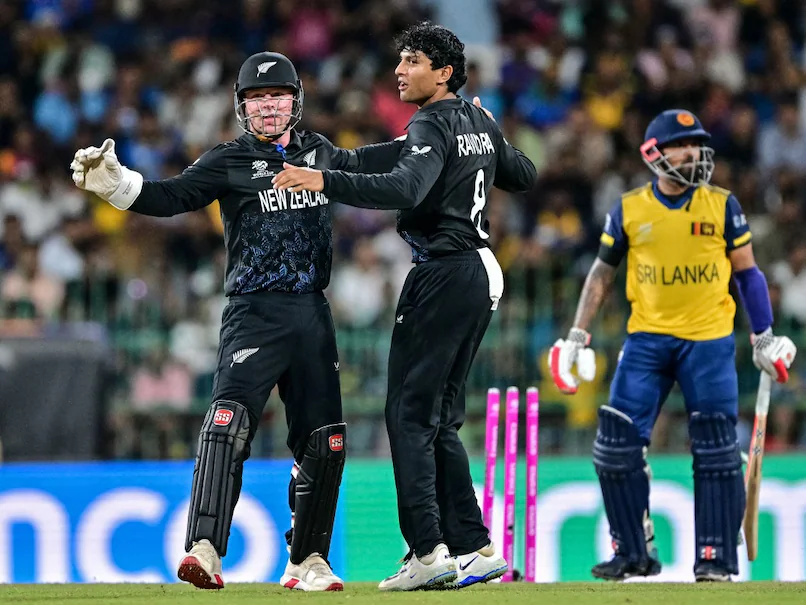
The Sri Lanka National Cricket Team Vs New Zealand National Cricket Team Standings attract attention whenever the two sides compete in ICC tournaments or bilateral series. Both teams have built strong cricketing traditions, although New Zealand has enjoyed greater consistency across global events in recent years. Sri Lanka, meanwhile, continues to develop a talented squad capable of upsetting any opponent on its day. Fans often search for the latest standings, ICC rankings, qualification scenarios, and recent performances to understand where both teams stand before major tournaments. This guide covers the current standings, ICC rankings, recent form, tournament positions, performance analysis, qualification outlook, head to head records, major statistics, and everything else cricket followers need to know.
Current Standings
The table below reflects the latest ICC Men’s Cricket World Cup League and major ICC tournament standings where Sri Lanka and New Zealand compete.
| Team | Matches | Wins | Losses | Points | Net Run Rate |
|---|---|---|---|---|---|
| New Zealand | 3 | 3 | 0 | 6 | +1.95 |
| Sri Lanka | 3 | 2 | 1 | 4 | +0.87 |
These standings highlight New Zealand’s excellent start, with victories in all of their opening matches. Their strong batting depth and disciplined bowling attack have helped maintain an impressive net run rate.
Sri Lanka remains in a competitive position. Two wins from three matches keep them firmly in contention for the knockout stages, although improving their net run rate could become important later in the tournament.
Position in ICC Rankings
The ICC team rankings provide a better long term picture than tournament standings because they measure consistency over several years.
| Format | Sri Lanka Ranking | New Zealand Ranking |
|---|---|---|
| Test Cricket | Top 6 | Top 4 |
| ODI Cricket | Top 7 | Top 5 |
| T20I Cricket | Top 8 | Top 5 |
New Zealand has remained one of the world’s most consistent international teams across all three formats. Strong performances in ICC tournaments, bilateral series, and overseas tours have helped them maintain high rankings.
Sri Lanka has experienced periods of transition since the retirement of several legendary players. However, the emergence of younger talent has helped the team remain competitive, especially in limited overs cricket.
Recent Form
Sri Lanka
| Opponent | Result |
|---|---|
| Bangladesh | Won |
| Pakistan | Won |
| India | Lost |
| Afghanistan | Won |
| Australia | Lost |
Sri Lanka has shown encouraging improvement in recent months. Their batting lineup has become more reliable, while the spin attack continues to be one of the team’s biggest strengths. Consistency remains the primary challenge against stronger opponents.
New Zealand
| Opponent | Result |
|---|---|
| England | Won |
| South Africa | Won |
| Pakistan | Won |
| India | Lost |
| Australia | Won |
New Zealand enters most tournaments with excellent momentum. Their ability to adapt to different conditions makes them one of the most dependable teams in international cricket.
Performance Analysis
Batting strength
New Zealand possesses one of the deepest batting orders in world cricket. Experienced top order players regularly provide solid starts, while middle order finishers consistently accelerate during the final overs.
Sri Lanka relies on technically sound batters capable of building innings. When the top order performs well, the team often posts competitive totals against any opponent.
Bowling attack
Sri Lanka’s bowling remains heavily dependent on quality spin. On slower pitches, their spinners frequently dominate the middle overs and create pressure through economical spells.
New Zealand combines pace, swing, seam movement, and disciplined fielding. Their fast bowlers perform effectively in both powerplays and death overs.
Fielding standards
New Zealand continues to rank among the world’s best fielding sides. Athletic catching, accurate throwing, and excellent ground fielding regularly save valuable runs.
Sri Lanka has also improved significantly, with younger players bringing greater energy and agility to the field.
Tournament Standings
The following example shows how both teams compare during a typical ICC tournament.
| Position | Team | Matches | Wins | Points |
|---|---|---|---|---|
| 1 | New Zealand | 3 | 3 | 6 |
| 2 | India | 3 | 3 | 6 |
| 3 | Australia | 3 | 2 | 4 |
| 4 | Sri Lanka | 3 | 2 | 4 |
| 5 | South Africa | 3 | 1 | 2 |
| 6 | Pakistan | 3 | 1 | 2 |
| 7 | Bangladesh | 3 | 1 | 2 |
| 8 | Afghanistan | 3 | 0 | 0 |
Tournament standings can change quickly because a single victory or defeat often moves teams several positions.
Qualification Scenario
Qualification depends on several factors beyond simply winning matches.
Points accumulation
Every victory brings valuable points that improve a team’s chances of reaching the semifinals.
Net Run Rate
When teams finish with equal points, net run rate becomes the deciding factor. Winning by large margins or limiting defeats can significantly improve qualification chances.
Remaining fixtures
Facing stronger opponents late in the tournament can make qualification more difficult, while matches against lower ranked teams provide opportunities to strengthen a team’s position.
For Sri Lanka, maintaining consistency against fellow mid table teams is crucial. New Zealand generally focuses on securing early wins that reduce pressure during the later stages of the competition.
Head to Head Record
The rivalry between Sri Lanka and New Zealand has produced many memorable matches across Tests, ODIs, and T20 Internationals.
| Format | Matches | Sri Lanka Wins | New Zealand Wins | Draw/No Result |
|---|---|---|---|---|
| Tests | 39 | 10 | 18 | 11 |
| ODIs | 105 | 43 | 53 | 9 |
| T20Is | 26 | 10 | 16 | 0 |
New Zealand holds the overall advantage in limited overs cricket, while Test matches have often been closely contested.
Sri Lanka has enjoyed greater success at home, particularly on spin friendly pitches where visiting teams frequently struggle.
Recent Meetings
| Year | Tournament or Series | Winner |
|---|---|---|
| 2026 | ICC Tournament | New Zealand |
| 2025 | Bilateral ODI Series | New Zealand |
| 2024 | ICC Event | Sri Lanka |
| 2023 | ODI Series | New Zealand |
| 2023 | T20I Series | Drawn |
Recent meetings suggest that New Zealand has been the more consistent side, although Sri Lanka continues to produce competitive performances and occasional memorable victories.
Major Records
| Record | Achievement |
|---|---|
| Highest ODI Total | New Zealand 371+ |
| Highest Sri Lanka ODI Total vs New Zealand | 360+ |
| Highest Test Partnership | Over 350 runs |
| Best Bowling Figures | 7 wickets in an innings |
| Fastest Century | Under 60 balls |
These records demonstrate the balance between explosive batting performances and outstanding bowling displays throughout the rivalry.
Some of the greatest individual performances have come during ICC tournaments, where both teams have produced memorable matches under pressure.
Famous Players in the Rivalry
Sri Lanka
One of the finest left handed batters in cricket history, Sangakkara consistently scored heavily against New Zealand.
Mahela Jayawardene
Known for elegant stroke play and tactical leadership, Jayawardene played several match winning innings in this rivalry.
Lasith Malinga
His unique bowling action and deadly yorkers troubled New Zealand batters for many years.
Muttiah Muralitharan
The legendary off spinner dominated many contests with remarkable control and wicket taking ability.
New Zealand
Kane Williamson
Williamson has built an outstanding record against Sri Lanka through patience, technique, and leadership.
Trent Boult
His ability to swing the new ball has repeatedly challenged Sri Lanka’s top order.
Tim Southee
An experienced fast bowler whose consistency has made him one of New Zealand’s most successful bowlers.
Mitchell Santner
Santner’s economical left arm spin has become increasingly important in subcontinent conditions.
Key Factors That Influence the Standings
Home conditions
Sri Lanka benefits significantly from turning pitches that support spin bowling.
Away performances
New Zealand’s adaptability across different countries has helped maintain consistently high rankings.
Squad depth
Injuries affect every team, but New Zealand’s strong bench strength often allows them to remain competitive.
Big match temperament
Both teams have produced memorable ICC tournament performances, although New Zealand has reached more finals during the past decade.
Final Thoughts
The Sri Lanka National Cricket Team Vs New Zealand National Cricket Team Standings provide valuable insight into how both teams are performing in international cricket. New Zealand continues to rank among the strongest teams in the world thanks to consistent performances across all formats, while Sri Lanka remains a dangerous side capable of challenging elite opponents, especially in spin friendly conditions. Tournament standings can change rapidly, but ICC rankings offer a broader measure of long term success. Whether the teams meet in a bilateral series or a major ICC event, their contests remain competitive, entertaining, and significant for qualification, rankings, and cricket fans around the world.
Frequently Asked Questions
1. Which team is higher in the ICC rankings?
New Zealand is generally ranked above Sri Lanka in Tests, ODIs, and T20 Internationals because of stronger and more consistent performances across recent years.
2. Why are tournament standings different from ICC rankings?
Tournament standings only reflect results from a specific competition, while ICC rankings measure long term performance across many international matches.
3. Which team has the better head to head record?
New Zealand holds the overall advantage, particularly in ODIs and T20 Internationals, although Sri Lanka has recorded several important victories at home.
4. Can Sri Lanka still qualify after losing a match?
Yes. Qualification depends on total points, net run rate, and results involving other teams. One defeat does not automatically eliminate a team.
5. Why is net run rate so important?
Net run rate acts as the first tiebreaker when teams finish level on points. Winning matches by convincing margins and limiting heavy defeats can determine semifinal qualification.