
Table of Contents
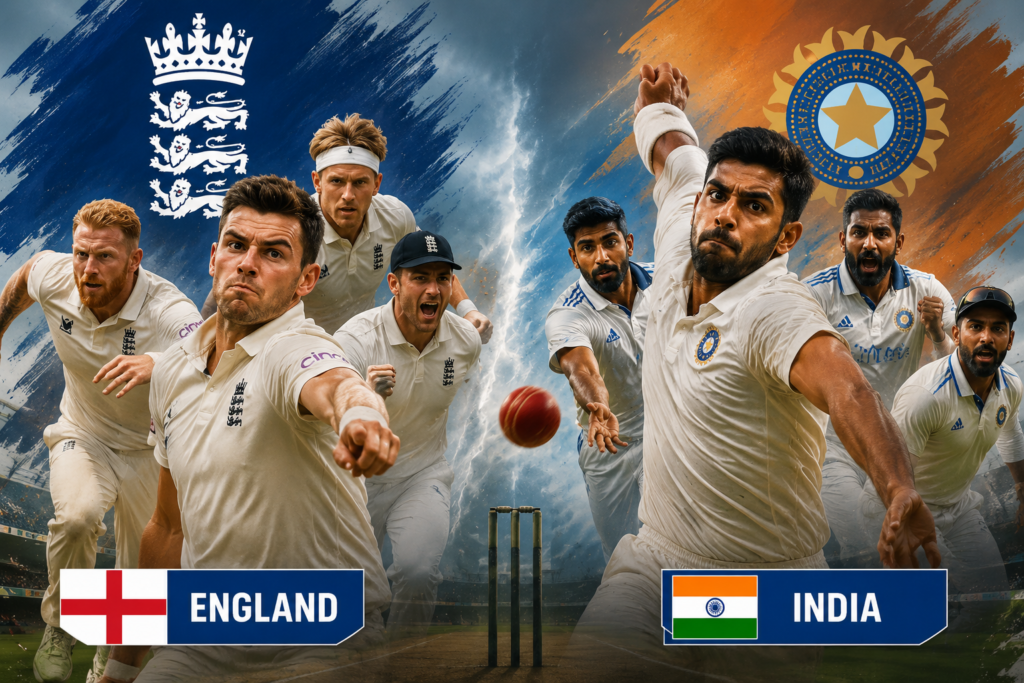
The rivalry between England and India is one of the most fascinating stories in international cricket. Spanning several decades, it has produced unforgettable matches, legendary players, dramatic scorecards, and historic moments that continue to shape the sport. From the early years when one side dominated through experience to modern contests decided by fine margins, every series has added a new chapter to this remarkable journey. Great batters, world-class bowlers, and inspirational captains have all played vital roles in creating memorable encounters. The rivalry remains special because it combines history, skill, passion, and intense competition, making every match a highly anticipated event for cricket fans around the world.
Recent Matches Table
| Match Date | Format | Venue | India Score | England Score | Margin | Match Winner |
| 05-Mar-2026 | T20I | Wankhede | 253/7 (20) | 246/7 (20) | 7 Runs | India |
| 02-Aug-2025 | Test | The Kia Oval | 224 & 396 | 247 & 367 | 6 Runs | India |
| 27-Jul-2025 | Test | Old Trafford | 358 & 425/4 | 669 | Drawn | None |
| 14-Jul-2025 | Test | Lord’s Stadium | 387 & 170 | 387 & 192 | 22 Runs | England |
| 06-Jul-2025 | Test | Edgbaston | 587 & 427/6d | 407 & 271 | 336 Runs | India |
| 24-Jun-2025 | Test | Headingley | 471 & 364 | 465 & 373/5 | 5 Wickets | England |
Match Overview Table
| Event / Tour | Total Games | Indian Wins | England Wins | Draws/NR | Highest Innings | Lowest Innings |
| T20 WC 2026 | 1 Game | 1 Win | 0 Wins | 0 NR | 253/7 | 246/7 |
| Test Tour 2025 | 5 Games | 2 Wins | 2 Wins | 1 Draw | 669 All Out | 170 All Out |
| ODI Series 2025 | 3 Games | 3 Wins | 0 Wins | 0 NR | 356 All Out | 214 All Out |
| T20 Series 2025 | 5 Games | 4 Wins | 1 Win | 0 NR | 247/9 | 97 All Out |
| T20 WC 2024 | 1 Game | 1 Win | 0 Wins | 0 NR | 171/7 | 103 All Out |
| Test Series 2024 | 5 Games | 4 Wins | 1 Win | 0 NR | 477 All Out | 122 All Out |
Best Bowling Figures Table
| Bowler Name | Country | Match Format | Wickets | Runs Conceded | Economy Rate | Opponent Team |
| Jasprit Bumrah | India | Test Match | 6 Wickets | 45 Runs | 2.84 Economy | England Men |
| Tom Hartley | England | Test Match | 7 Wickets | 62 Runs | 2.36 Economy | India Men |
| Kuldeep Yadav | India | Test Match | 5 Wickets | 72 Runs | 2.57 Economy | England Men |
| Axar Patel | India | T20I Match | 3 Wickets | 23 Runs | 5.75 Economy | England Men |
| Reece Topley | England | ODI Match | 6 Wickets | 24 Runs | 2.40 Economy | India Men |
| Varun Chakaravarthy | India | T20I Match | 5 Wickets | 15 Runs | 3.75 Economy | England Men |
Statistical Comparison Table
| Metric Tested | Test (IND) | Test (ENG) | ODI (IND) | ODI (ENG) | T20I (IND) | T20I (ENG) |
| Overall Win % | 54.2% Win | 49.8% Win | 61.5% Win | 53.2% Win | 70.4% Win | 56.1% Win |
| Avg Runs/Over | 3.42 RPO | 4.10 RPO | 5.85 RPO | 5.70 RPO | 8.65 RPO | 8.40 RPO |
| Boundaries/Inn | 48 Fours | 55 Fours | 24 Boundaries | 22 Boundaries | 16 Boundaries | 14 Boundaries |
| Catch Success % | 82.0% Catch | 84.5% Catch | 86.0% Catch | 85.0% Catch | 88.5% Catch | 87.0% Catch |
| Review Success | 42.1% DRS | 39.5% DRS | 48.0% DRS | 44.2% DRS | 52.1% DRS | 46.5% DRS |
| Stumping Count | 18 Dismiss | 12 Dismiss | 9 Dismissal | 6 Dismissal | 14 Dismiss | 8 Dismissal |
Match Result and Player of the Match Table
| Match Instance | Winning Team | Stadium Venue | Top Scorer | Best Bowler | Player of Match | Impact Rating |
| T20 WC Semi | India | Adelaide Oval | J. Bethell (105) | W. Jacks (2/40) | Sanju Samson | 9.8 / 10.0 |
| 5th Test Oval | India | The Kia Oval | Y. Jaiswal (124) | M. Siraj (4/66) | Mohammed Siraj | 9.4 / 10.0 |
| 3rd Test Lord’s | England | Lord’s Cricket | B. Stokes (92) | C. Woakes (5/44) | Ben Stokes | 9.5 / 10.0 |
| 2nd Test Edgbaston | India | Edgbaston | S. Gill (214) | J. Bumrah (5/52) | Shubman Gill | 9.7 / 10.0 |
| 1st Test Leeds | England | Headingley | B. Duckett (148) | M. Wood (4/58) | Ben Duckett | 9.2 / 10.0 |
| 3rd ODI Ahmedabad | India | Narendra Modi | S. Gill (132) | Kuldeep Y. (4/38) | Shubman Gill | 9.1 / 10.0 |
When Empire Met Ambition
The rivalry began as a contest between a cricketing giant and a team searching for its place in international sport. During the early decades, England possessed experience, resources, and established stars, while India entered the arena with determination and a desire to learn. Every encounter carried a deeper meaning because success was measured not only by runs and wickets but also by progress and recognition. The first meetings revealed the gap in skill and preparation, yet they also highlighted India’s resilience. Players from both sides understood the significance of these matches, creating a competitive atmosphere that gradually transformed into one of cricket’s most respected rivalries. Spectators witnessed contrasting styles, with England relying on disciplined techniques and India showcasing natural flair. These early contests built the foundation for future generations, ensuring that every series would be viewed through the lens of history. What started as a challenge soon evolved into a battle of pride, ambition, and national identity.
| Year | Venue | Result | Key Performer |
| 1932 | London | England Won | Douglas Jardine |
| 1936 | England | England Won | Wally Hammond |
| 1946 | England | England Won | Denis Compton |
| 1952 | India | India Won | Vinoo Mankad |
| 1959 | England | England Won | Fred Trueman |
Learning the Hard Way on English Soil
Touring England was one of the toughest assignments for visiting teams. Overcast skies, moving balls, and unfamiliar pitches created constant challenges for batters. Early touring sides struggled to adapt to swing and seam movement, often finding themselves under pressure within the opening session. However, these difficult experiences became valuable lessons. Players learned patience, technique, and the importance of long partnerships. Despite frequent defeats, several individual performances stood out and earned admiration from local supporters. Bowlers worked tirelessly to exploit limited assistance from English conditions, while batters focused on survival before scoring opportunities emerged. Each tour contributed to the development of a stronger and more confident group of players. The lessons learned overseas eventually helped shape future victories and encouraged a more professional approach to preparation. These years were marked by persistence, determination, and gradual improvement against a highly skilled opponent.
| Tour | Challenge | Response | Outcome |
| 1936 | Swing Bowling | Defensive Play | Defeat |
| 1946 | Damp Conditions | Long Innings | Defeat |
| 1952 | Fast Bowling | Better Technique | Improvement |
| 1959 | Seam Movement | Patient Batting | Learning Phase |
| 1967 | Strong Attack | Tactical Changes | Competitive Cricket |
The Arrival of Belief
A noticeable shift occurred when players began believing they could compete on equal terms. Improved domestic structures and greater international exposure strengthened confidence throughout the squad. Instead of focusing solely on survival, teams started pursuing victories with intent and purpose. Batters became more comfortable facing pace and movement, while bowlers developed strategies capable of troubling established opponents. Close matches created memorable moments and proved that success was no longer a distant dream. Supporters embraced this new confidence, filling stadiums with energy and expectation. The emergence of talented performers gave the team a stronger identity and encouraged aggressive cricket. Every competitive performance reinforced the idea that results could change through discipline and belief. This period represented a turning point because psychological barriers began to disappear. The rivalry entered a new phase where contests became less predictable and far more exciting for players and fans alike.
| Aspect | Earlier Period | New Approach | Impact |
| Mindset | Defensive | Positive | Better Results |
| Batting | Survival | Run Scoring | Confidence |
| Bowling | Containment | Attacking Lines | More Wickets |
| Fielding | Basic | Aggressive | Pressure Created |
| Leadership | Cautious | Strategic | Strong Direction |
Wadekar’s Revolution and a New Power Shift
One of the most significant chapters arrived when leadership and confidence combined to produce historic achievements. Strong tactical planning, disciplined bowling, and responsible batting transformed expectations. The squad approached every match with belief, refusing to be intimidated by reputation or conditions. Strategic field placements and patient bowling partnerships created opportunities that previous teams often missed. Batters focused on building partnerships rather than chasing quick runs, ensuring stability throughout difficult phases of play. Victories achieved during this era changed perceptions across the cricketing world and demonstrated that determination could overcome experience. Fans celebrated these successes as symbols of national progress, while opponents recognized the emergence of a genuine competitor. The results achieved during this period influenced future generations and established a culture of ambition. This was more than a successful series; it represented a lasting shift in competitive balance.
| Factor | Contribution | Effect | Legacy |
| Leadership | Clear Plans | Team Unity | Historic Success |
| Bowling | Consistent Pressure | Key Wickets | Match Control |
| Batting | Partnerships | Stability | Winning Chances |
| Fielding | Sharp Effort | Extra Pressure | Improved Standards |
| Team Spirit | Collective Focus | Confidence | Long-Term Growth |
The Gavaskar and Botham Years
The rivalry gained another dimension through the presence of iconic individuals who thrived under pressure. Batting excellence met all-round brilliance, producing contests that attracted worldwide attention. Every series featured fascinating personal battles, with players determined to outperform their counterparts. Technical skill, mental toughness, and consistency became defining themes. Crowds eagerly followed each contest because a single session could change the momentum of an entire match. Leadership qualities also emerged during this era, helping teams remain competitive in difficult situations. Media coverage expanded significantly, turning individual performances into major talking points. These encounters elevated the rivalry beyond team competition and highlighted the influence of extraordinary talent. Fans still remember many of these battles because they combined skill, drama, and high stakes. The period strengthened the rivalry’s reputation as one of cricket’s most compelling contests.
| Player Type | Strength | Impact | Recognition |
| Opening Batter | Consistency | Strong Starts | Global Respect |
| All-Rounder | Match Influence | Momentum Shift | Fan Favourite |
| Fast Bowler | Aggression | Key Breakthroughs | Match Winner |
| Spinner | Control | Pressure Building | Tactical Asset |
| Captain | Leadership | Team Direction | Lasting Legacy |
Tendulkar Walks Into the Rivalry
A new era began with the arrival of a young batting sensation whose technique and temperament impressed cricket followers around the world. Facing experienced bowling attacks in challenging conditions, he displayed remarkable composure and maturity. Memorable innings provided evidence that a new superstar had emerged. Opponents quickly recognized the threat and developed plans to limit his influence, leading to fascinating tactical battles. Every appearance generated anticipation among supporters and media alike. His performances inspired teammates and encouraged a more fearless approach to competition. While bowlers occasionally found success, the consistency and quality of his batting often shifted momentum. This period also featured several closely fought contests that enhanced the rivalry’s appeal. As his reputation grew, expectations increased, yet he continued delivering significant contributions in important matches. His presence ensured that every series attracted global attention and heightened excitement.
| Element | Description | Result | Influence |
| Technique | Solid Defence | Consistency | Confidence |
| Temperament | Calm Under Pressure | Big Innings | Team Stability |
| Adaptability | Different Conditions | Success Abroad | Respect |
| Partnerships | Supportive Role | More Runs | Match Control |
| Reputation | Global Recognition | Higher Expectations | Rivalry Growth |
Ganguly’s Men Challenge England Everywhere
The rivalry entered a more aggressive phase as a confident group embraced bold tactics and fearless cricket. Players believed they could compete successfully in any condition, leading to memorable victories and intense contests. Leadership encouraged self-belief, while experienced performers provided stability during pressure situations. Batters attacked quality bowling with confidence, and bowlers responded with disciplined plans designed to exploit weaknesses. Close finishes became common, increasing emotional investment among supporters. Celebrations reflected growing confidence and symbolized a changing cricket culture. This generation valued resilience, often recovering from difficult situations to challenge strong opponents. Tactical flexibility became a major strength, allowing teams to adapt quickly to different match scenarios. The rivalry reached new heights during this period because both sides possessed talented lineups capable of producing match-winning performances. Every series felt significant, and fan engagement reached unprecedented levels.
| Area | Strategy | Benefit | Result |
| Leadership | Aggressive Decisions | Confidence | Better Results |
| Batting | Positive Intent | Faster Scoring | Pressure on Opponent |
| Bowling | Planned Attacks | Key Wickets | Match Control |
| Team Culture | Self-Belief | Consistency | Competitiveness |
| Fan Support | Strong Engagement | Motivation | Memorable Atmosphere |
Conclusion
The story of England and India is far more than a collection of cricket matches. It is a rivalry built on respect, determination, and a constant desire to outperform one another on the biggest stages. Over the years, both teams have produced iconic performances, record-breaking achievements, and unforgettable battles that have captivated generations of supporters. Each era has introduced new heroes, fresh challenges, and memorable scorecards that continue to be discussed by fans and experts alike. As the rivalry moves forward, it remains one of cricket’s greatest attractions, promising more thrilling contests, emerging stars, and historic moments that will further enrich its remarkable legacy.
FAQs
What makes the England and India cricket rivalry so special?
The rivalry is special because it combines a long history, world-class players, competitive matches, and memorable performances across Test, ODI, and T20 cricket.
Which players have had the biggest impact on this rivalry?
Several legends have shaped the rivalry, including Sunil Gavaskar, Sachin Tendulkar, Kapil Dev, Virat Kohli, Ian Botham, Alastair Cook, and James Anderson.
When did India achieve its first major success in England?
One of the most significant milestones came during the historic 1971 tour, which marked a major turning point in the rivalry.
Which format has produced the most dramatic contests?
All three formats have delivered memorable moments, but Test cricket is often considered the most historic and emotionally charged part of the rivalry.
Why do fans around the world follow this rivalry closely?
Fans enjoy the rivalry because it consistently features elite players, intense competition, tactical battles, passionate crowds, and matches that often influence cricket history.